27 October 2026
Why Hand Wash Car Detailing Beats a Machine Wash Every Time
Presented by @handwashcardetailinghaven
After years of washing cars in driveways and parking lots, I can tell you that not all car washes are created equal. Most of us have pulled into an automated wash, watched the giant brushes slap against our paint, and driven out with a clean-but-scratched car. That experience is exactly why I shifted to hand wash car detailing for my own vehicles and for the clients I serve around Chula Vista and the South Bay area. The difference is not subtle. It is the difference between a quick rinse and a true restoration.
Hand washing a car by hand, with proper technique and the right products, preserves the clear coat, avoids swirl marks, and actually gets dirt out of the crevices. Automated car washes rely on friction and speed. They use harsh chemicals and stiff bristles that do not discriminate between mud and paint. A hand wash, done right, is a gentle process that respects the vehicle. And when you pair that hand wash with professional detailing steps, you are not just cleaning the car. You are protecting your investment.
The Difference Between a Wash and a Detail
A lot of people think a hand wash car detailing is just a fancy word for a bucket and a sponge. But anyone who has spent time in this trade knows it is much more. A true hand wash starts with a pre-rinse using a pressure washer to knock off loose dirt and debris. That step alone prevents scratching when you later touch the surface with a sponge or cloth. After the pre-rinse, you work with a pH-neutral soap that lifts dirt without stripping wax or sealant. That is a critical detail many skip.
I have seen cars come in after a machine wash that left a chalky residue on the glass and a dull haze on the paint. That haze is micro-abrasion. A hand wash car detailing avoids that because you control the pressure, the soap concentration, and the direction of your wipe. You use a microfiber towel or a soft wash mitt, not a brush. You change your water frequently. You dry the car with a clean, dry microfiber towel before water spots have a chance to form. It is slower, yes. But it is the only way to keep a showroom finish.
Tools of the Trade
The equipment you choose matters. A foam cannon attached to a pressure washer lets you apply soap evenly and in a controlled layer. That foam clings to vertical surfaces and loosens grime without you having to scrub hard. After the soap sits for a minute, you rinse with the pressure washer, keeping the nozzle at a safe distance. For areas like the wheel wells, a dedicated wheel cleaner and a separate microfiber towel prevent cross-contamination. You never want to wipe a wheel and then touch the hood.
For the paint itself, a clay bar treatment once or twice a year removes embedded contaminants that washing alone cannot touch. You can feel the difference after a clay bar pass: the surface goes from rough like sandpaper to smooth as glass. That is the foundation for any wax sealant or ceramic coating you apply later. A ceramic coating, for instance, bonds best to a perfectly clean surface. If you skip the clay bar and the hand wash, the coating will not adhere properly, and you will waste your money.
After the wash and clay bar, an orbital polisher with the right pad and compound can correct light scratches and oxidation. That is paint correction. It is not something you do every week, but when you do it, the results are dramatic. A polished car reflects light evenly. The color looks deeper. And after correction, you lock in that work with a durable wax sealant or a ceramic coating that provides UV protectant properties. The sun is brutal on clear coats, especially in a region like San Diego County where the sun shines almost year-round. A good UV protectant extends the life of your paint.
Interior Detailing Deserves the Same Care
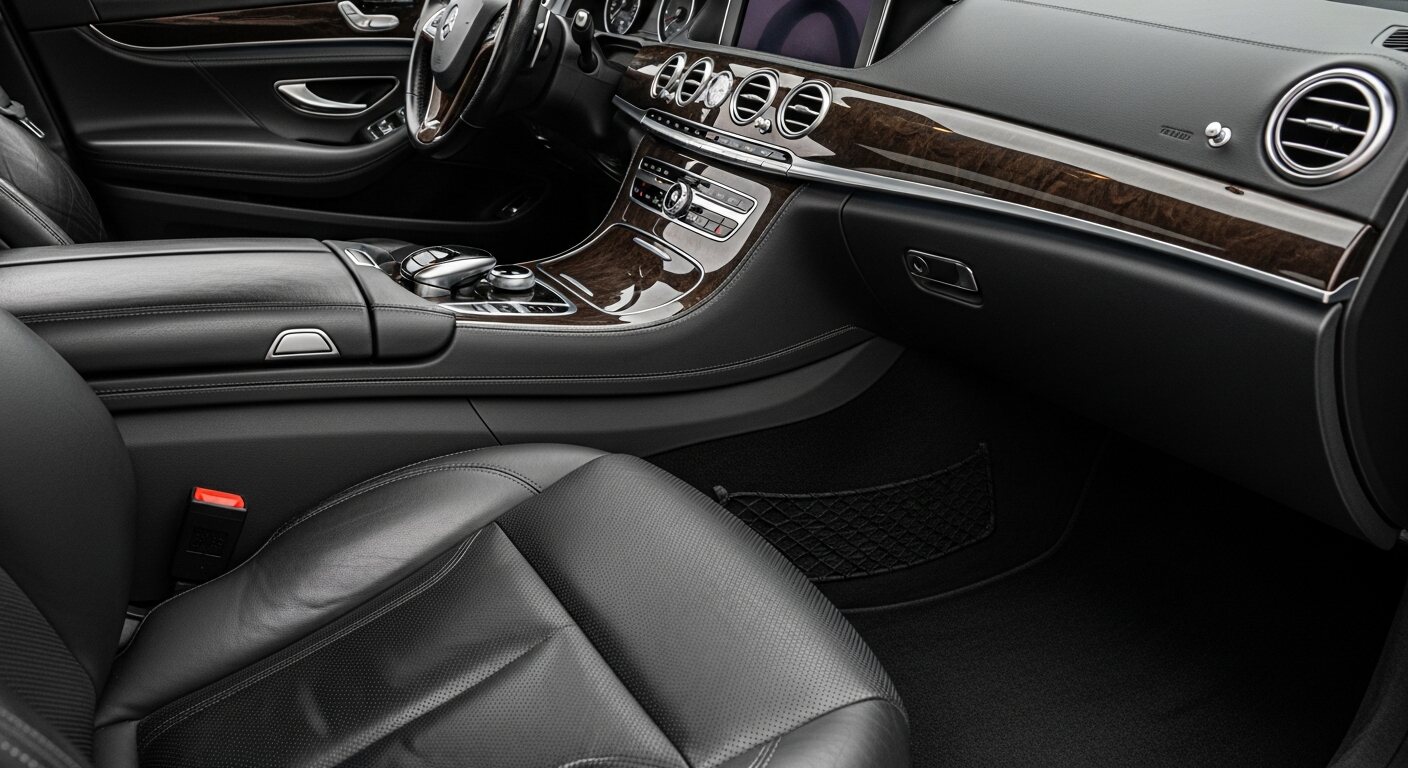
A hand wash car detailing is not only about the exterior. The interior of a car collects dust, allergens, and grime that can degrade surfaces over time. For the seats, a leather conditioner keeps genuine leather supple and prevents cracking. For fabric seats, a proper extraction cleaning removes stains and odors. The dashboard and console benefit from a detail spray that cleans without leaving a greasy shine. And for the glass, a streak-free glass cleaner applied with a clean microfiber towel makes a world of difference in visibility, especially at night.
I have used an air compressor to blow out dust from vents and crevices that a cloth cannot reach. That is a trick many shops skip because it takes time, but it makes the interior feel new. And for the wheels and tires, a dedicated tire shine product gives a uniform finish that lasts through a few rain showers. But you have to apply it after a thorough cleaning with a wheel cleaner that removes brake dust and road grime. Otherwise, you are just sealing in dirt.
Why Local Conditions Matter
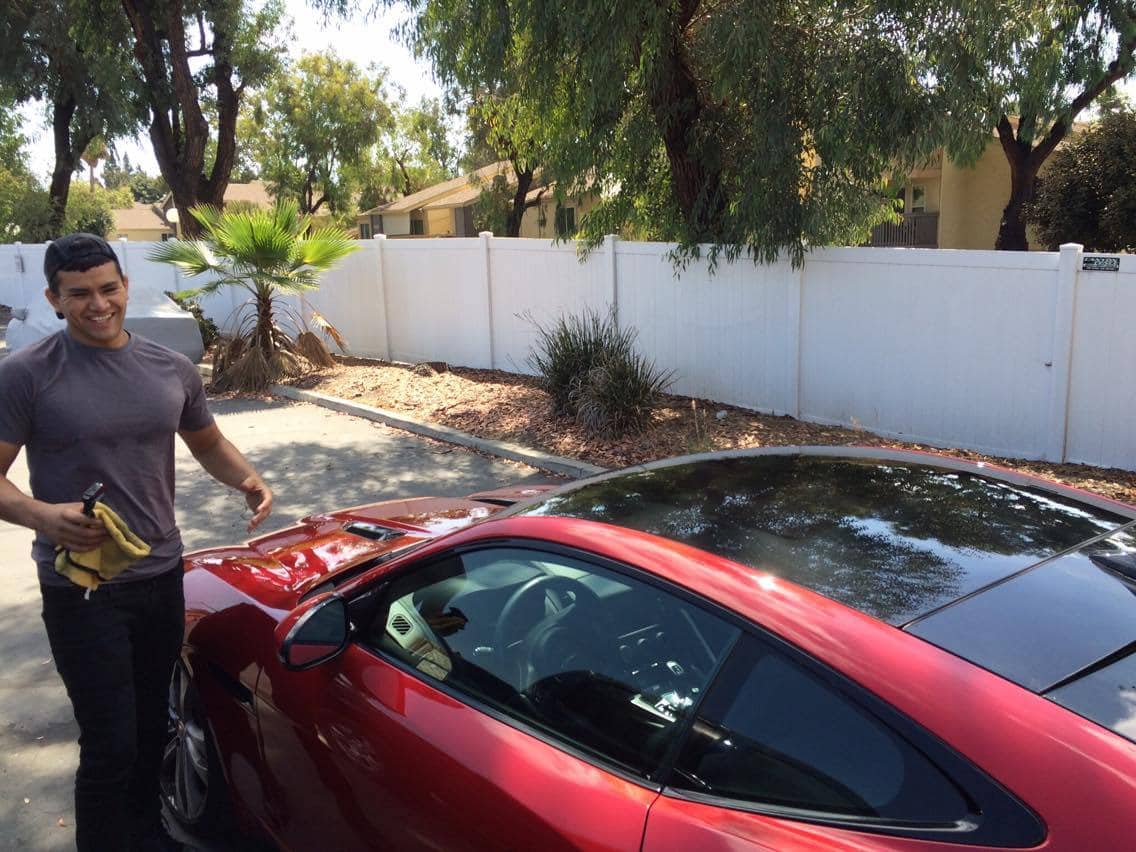
Living and working in Chula Vista and the South Bay means dealing with specific challenges. The coastal air carries salt, which accelerates corrosion. The summer heat bakes bird droppings onto paint if not removed quickly. And the occasional rain brings mud and pollen that can etch the clear coat if left too long. A regular hand wash routine, combined with periodic wax or sealant application, creates a barrier against these elements. I have seen cars that get washed every two weeks at a machine wash develop cloudy spots on the hood within a year. Cars that get a proper hand wash and wax every month still look like they just left the dealership.
For anyone who drives a newer car or a classic, the choice is clear. A hand wash car detailing is not an indulgence. It is maintenance. It saves you from expensive repaints and keeps your car looking good for resale. And when you find a detailer who understands the craft, you are paying for expertise, not just labor. That is why I take pride in being part of a veteran-owned business that brings this level of care to every vehicle we touch.
Practical Tips for Between Details
If you want to stretch the time between full details, there are a few things you can do at home. First, always use a pH-neutral soap when you wash. Dish soap is too harsh and will strip your wax. Second, use a dedicated water spot remover if you wash in direct sun. Hard water spots can etch glass if left too long. Third, keep a spray detail wax in your trunk for quick touch-ups after a rain or a dusty day. A quick spray and wipe with a microfiber towel restores the shine and adds a thin layer of protection.
And please, never use a dish sponge or a brush from the hardware store on your car. The grit in those tools is like sandpaper. A proper microfiber towel is cheap and reusable. Wash them separately from your regular laundry and do not use fabric softener. Fabric softener clogs the fibers and reduces their ability to trap dirt.
Final Thoughts on the Craft
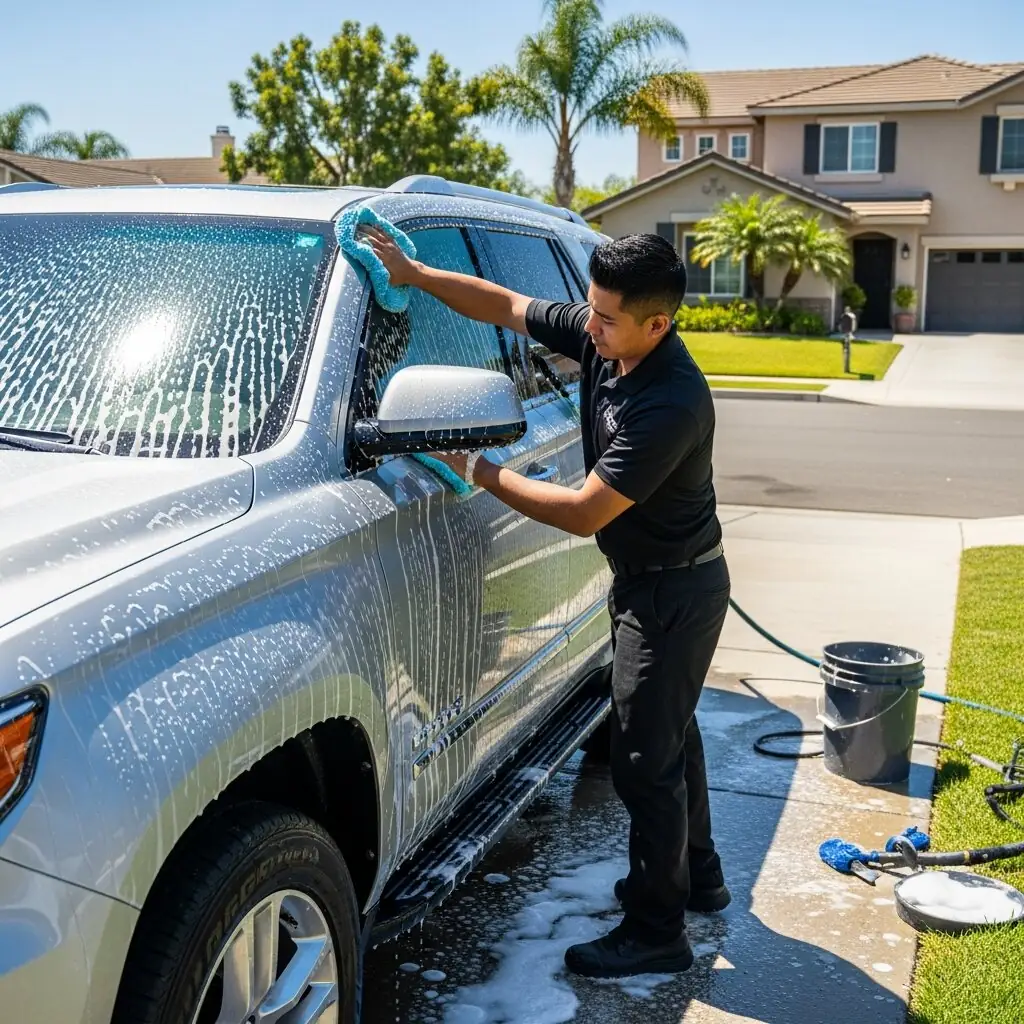
Hand washing a car is a skill that takes time to learn. It is not fast, and it is not easy. But the results speak for themselves. Whether you do it yourself or hire a professional, the principles are the same: use the right products, work clean, and never rush. A good detailer knows when to use a pressure washer and when to hand rinse. They know that a foam cannon saves time but that the real work happens when you wipe each panel by hand. They know that a clay bar is not optional if you want a true finish. And they know that a hand wash car detailing, done properly, is the best way to keep your car looking like it matters.
If you live in Chula Vista or anywhere in the South Bay, you have options. But not all options treat your car with the same respect. A veteran-owned detailing service brings discipline and attention to detail that you can trust. And at the end of the day, that trust is what keeps your car shining for years.